A rodent-infested attic is more than a nuisance. It is a stain on your home's health, a thermal performance problem, and an escalating liability. In Los Angeles, where older bungalows sit next to mid-century homes and new construction, attics present consistent access points for rats and mice. This article lays out practical, experience-tested plans for attic cleanup, repair, and prevention that work in LA's climate and building stock.
Why this matters Rats and mice leave droppings, urine, and nesting material that harbor bacteria and allergens. They gnaw through wiring, increasing fire risk. They degrade insulation, reducing R-value and driving up energy bills. Left untreated, a single corner infestation can spread to wall cavities and return season after season. Homeowners who delay cleanup often face higher restoration costs and repeated work.
How I approach attic rodent projects Over a decade of repair and pest work taught me to treat attic jobs like a small building project rather than a simple cleanup. First, stop ongoing activity. Second, remove contaminated material with safety protocols. Third, repair access points and wiring. Fourth, restore insulation and ventilation. Fifth, implement a monitoring and maintenance plan. Each phase has trade-offs. For small, localized infestations a targeted removal and patching may be sufficient and cost-effective. For long-term or heavy infestations, full insulation replacement and wiring inspection are safer investments.
Assessing the scope: what to look for on day one Begin at the attic entry and move systematically. A quick mapping approach prevents missed hotspots.
Look for fresh droppings clustered near food sources or runs. Fresh droppings are dark and moist; older droppings crumble. Listen at dawn and dusk for scratching or scurrying. Follow greasy rub marks along joists and entry points; rodents leave oil from their fur where they repeatedly travel. Smell is a powerful clue; strong ammonia-like odors indicate long-term urination and heavy contamination. Inspect insulation visually and by touch. Compressed, soiled, or matted insulation usually requires removal. Finally, check for chewed wiring, gnawed vents, and compromised ductwork.
Safety and health precautions that matter Cleaning an attic with rodent contamination is a health task, not a basic chore. Respiratory protection, eye protection, and gloves are non-negotiable. Use an N95 or P100 respirator; ordinary dust masks are insufficient around dried droppings. Wetting contaminated materials before disturbance reduces aerosolization. In practice I use a pump sprayer with a diluted disinfectant solution to mist surfaces lightly before handling. Never sweep droppings dry or vacuum with a household vacuum, both of which create airborne particles.
When to call in professionals Some signs demand licensed expertise: evidence of roof rat or packrat colonies that have nested behind insulation, widespread contamination across the entire attic, visible structural damage to roof sheathing, or chewed electrical wiring circuits. Licensed pest control attic cleaning services can safely remove biohazards and coordinate with electricians and insulation contractors. For Los Angeles properties, companies like Rodent Control Inc. And local attic cleaning companies often provide integrated services that combine removal, exclusion, and restoration. Use licensed and insured providers with positive local reviews and proof of proper disposal and post-cleaning testing if requested.
Step-by-step plan that typically works (short checklist)
- stop the infestation through trapping and exclusion. remove contaminated insulation, droppings, and nesting material using wet-cleaning techniques. disinfect surfaces and allow drying time before restoration. repair structural and electrical damage, install exclusion barriers, and restore insulation.
Practical decisions during cleanup Deciding how much insulation to remove is both a science and a judgment call. If contamination is limited to a 3 to 4 foot radius around a nest or entry point, localized removal and replacement with the same R-value insulation is reasonable. If contamination is scattered across more than 30 percent of the attic or if there is pervasive odor, replace all the insulation. In LA, common attic insulation values range from R-19 to R-38; match the existing R-value unless you plan an upgrade. Upgrading gives a long-term energy benefit, but it increases upfront cost.
Treating wiring and mechanicals requires inspection from an electrician. Rodents often target wiring at junction boxes and appliance penetrations. I have pulled panels where rats had stripped insulation from electrical bundles, producing bare copper several feet long. That sort of damage must be repaired before any restoration. Ductwork that passes through the attic is a frequent location for chewing and soiling; patch, seal, or replace flex ducts that show contamination.
Disinfection: products and protocols The goal is to remove viable pathogens and reduce allergen load while avoiding excessive chemical exposure in a living space. A two-step approach is effective: first a detergent wash to remove organic material, then a disinfectant to inactivate microbes. Commonly used approaches include ready-to-use disinfectants labeled for rodent urine and droppings, or a bleach solution at roughly 1 part household bleach to 10 parts water for hard, nonporous surfaces. Bleach should not saturate porous insulation, nor should it be applied in a way that leaves overspray on attic framing that could off-gas into living space. For porous wood and sills, I prefer hydrogen peroxide-based cleaners that break down organic material without leaving persistent fumes. Allow surfaces to dry fully before installing new insulation.
Containing and disposing of contaminated material Bagging procedures reduce cross-contamination. Double-bag contaminated insulation and nesting material in heavy-duty contractor bags. Seal bags and label them as biohazardous waste if local regulations require. In Los Angeles County, municipal waste facilities accept properly bagged contaminated insulation, but disposal rules vary by city and facility, so verify before hauling. For large volumes, most contractors arrange roll-off containers or coordinate with disposal companies to handle the load. Avoid carrying contaminated material through living areas; stage a protected pathway from attic hatch to exterior.
Sealing entry points: thoughtful exclusion Rodent entry points can be surprisingly small. Rats can squeeze through holes as small as a quarter of their body height; mice can fit through a dime-sized gap. Attic exclusion is both perimeter work and targeted repairs around vents, chimneys, eaves, utility penetrations, and soffits. Use galvanized steel mesh, hardware cloth with 1/4 inch or 1/2 inch openings for mice and rats respectively, and high-quality exterior caulk for smaller gaps. For larger holes, metal flashing and sheet metal collars are more durable than foam or caulk alone. Where vents have been chewed, replace with stamped metal vents and secure them to the framing.
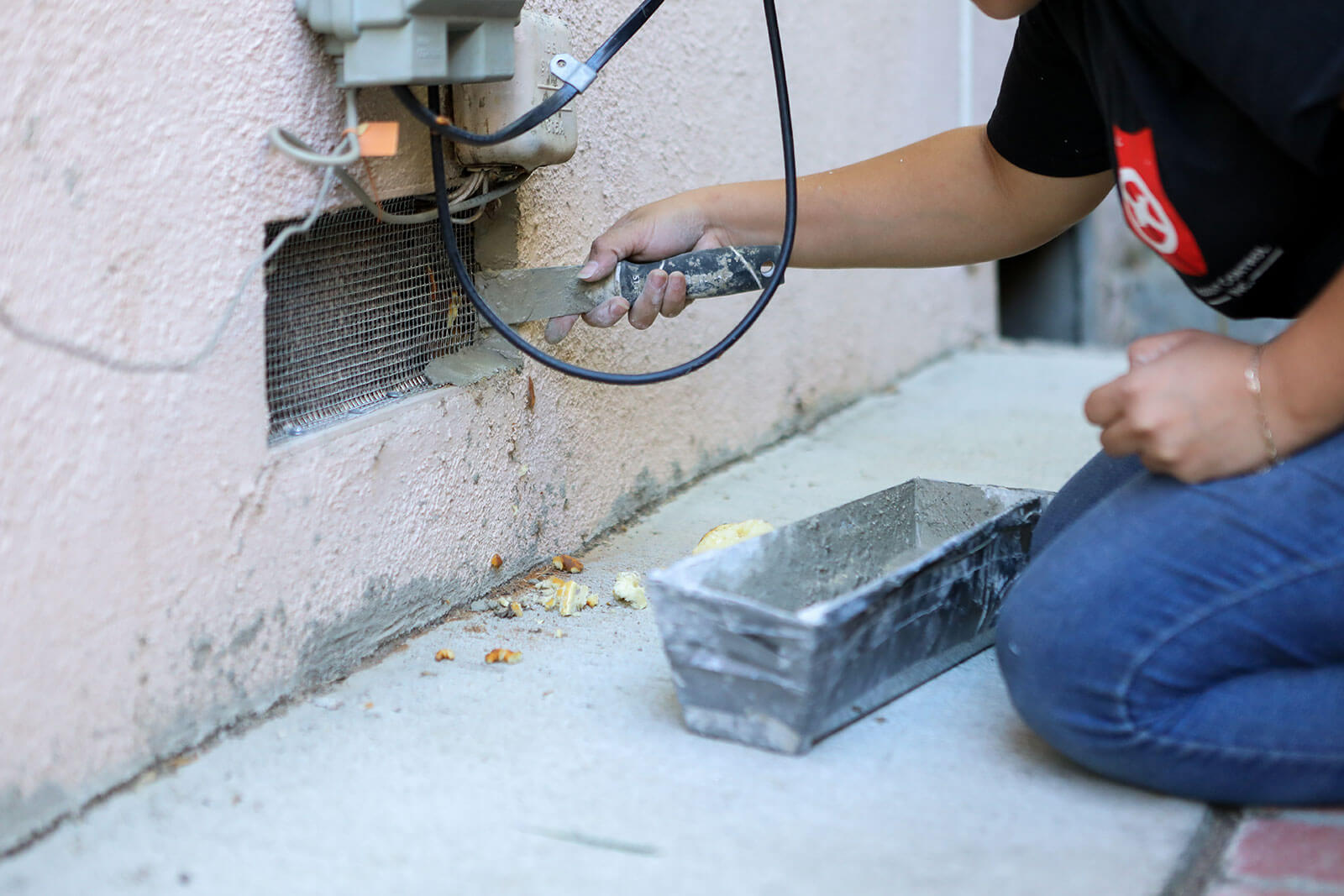
Trade-offs in exclusion materials Soft materials like expanding foam are quick and inexpensive but degrade under chewing. Metal mesh is more expensive and requires more labor, but it provides long-term protection and resists weathering. For homes with termite histories, be mindful that metal-to-wood contact and certain sealants can complicate future inspections; coordinate with your pest control company.
Restoring insulation and attic performance Choosing replacement insulation depends on budget, attic configuration, and ventilation. For horizontal attics with open joists, blow-in cellulose or fiberglass batts are common. Cellulose tends to resist settling and can be mixed with borate for added pest deterrence, but it absorbs moisture more readily. Fiberglass is inert and dries faster but can allow more gaps if not installed tightly. For rafter cavities and shallow attics, spray foam offers air sealing and insulation in one step, but it is the most expensive and complicates future access to wiring and ducts. In Los Angeles, where temperatures rarely drop to extremes, adding a 2 to 4 inch layer of spray foam along roofline rafters to create a semi-conditioned attic can dramatically reduce HVAC loads, yet it requires an HVAC evaluation.
Ventilation and attic air management Cleaning the attic and replacing insulation without addressing ventilation is wasteful. Attic ventilation balances intake at soffits with exhaust through ridge vents or gable vents. Blocked soffit vents or closed ridge vents trap moisture and odors, creating a hospitable environment for pests and mold. When replacing insulation, install baffles at soffit intakes to maintain airflow, and verify that exhaust vents are unobstructed. For homes where ducts run through the attic and are a major source of heat gain, consider sealing ducts and insulating to reduce energy loss.
Monitoring and follow-up that prevents recurrence A one-time cleanup is only part of the story. A sensible monitoring plan prevents small returns from becoming full reinfestations. I recommend a three-pronged approach: quarterly visual inspections for the first year, passive monitoring with chew-proof rodent stations at attic perimeters, and seasonal roof/eaves checks for new entry points after storms. Many attic cleaning services in Los Angeles CA include a follow-up visit 30 days after work to ensure exclusion integrity. For higher-risk properties, schedule an annual attic check. Expect to spend a few hundred dollars a year on monitoring rather than thousands on repeated restorations.
What a homeowner should budget for in Los Angeles Costs vary by scope, material choices, and whether you use a single company for integrated services. Expect small, localized attic rat cleanup jobs to start around $600 to $1,200 for removal and spot repairs. Moderate jobs that include full insulation replacement for a typical 1,200 to 1,800 square foot attic can range from $2,000 to $6,000. Extensive projects involving electrical repair, roofline repairs, and spray foam insulation can exceed $10,000. These numbers are broad; obtain itemized estimates and check that pest control and construction tasks are clearly separated in the bid.
Hiring the right attic cleaning company Look for companies that list attic cleaning services in Los Angeles CA and attic rat cleanup on their website, that carry insurance and licenses, and that offer written guarantees for exclusion work. Ask for before-and-after photos from recent LA projects and references. If a company suggests using rodenticide as the primary tool without exclusion, this is a red flag; poisons alone rarely solve attic problems and create secondary risks from carcasses in inaccessible spaces. Firms that coordinate with electricians and insulation contractors or that subcontract skilled trades provide more reliable outcomes. Rodent Control Inc. Is one example of a provider that emphasizes integrated pest control and cleanup; treat names as starting points for verification rather than endorsements.
Common pitfalls and how to avoid them One frequent mistake is partial cleanup without sealing entry points. Customers who replace 20 percent of attic insulation and then leave two untreated holes often see reinfestation within months. Another pitfall is using household vacuums or dry sweeping. These actions aerosolize pathogens. A third issue is delaying electrical inspection; faulty wiring left unrepaired is a hidden hazard. Address these attic pest cleanup and insulation three areas in your initial contract: full exclusion, professional-grade cleanup techniques, and an electrician's clearance when wiring damage is suspected.
Example case: small bungalow in echo park A two-bedroom bungalow with accessible attic presented with mouse droppings concentrated along the east eave. The homeowner had tried traps, but mice persisted. Assessment showed two soffit gaps and insulation contamination limited to a 4 foot radius. The chosen plan was targeted: removal of contaminated insulation, disinfecting surrounding framing, installing hardware cloth behind the soffit, sealing other small gaps with copper mesh and caulk, and replacing with R-30 fiberglass batts. Follow-up at 30 days showed no new droppings and an attic temperature reduction of 4 degrees at mid-day, attributed to proper insulation and sealed vents. Total cost was under $1,200, illustrating that tailored responses can be both effective and economical.
Preparing for worst-case scenarios For homes with long-term packrat or roof rat activity, contamination can be severe enough to require structural repairs. Expect to coordinate multiple trades: a licensed pest provider for cleanup and exclusion, an insulation contractor for removal and installation, an electrician for wiring repairs, and a roofer for any compromised roofing or flashing. These projects take time; schedule at least one to two weeks for complete remediation in most cases, with longer timelines when permitting or roof work is required.
Final considerations before signing a contract Inspect the contract for clear scopes: what is being removed, what is being replaced, and what exclusions are included. Confirm disposal methods and whether the contractor will handle city or county disposal fees. Ask about warranties on exclusion work and guarantees for monitoring visits. Make sure the company uses proper PPE and follows containment and disinfection protocols. Finally, ask for a point person you can call during the job, and get a written timeline for completion.
Attic rodent cleanup is a home repair that repays diligence. With methodical assessment, proper health precautions, correct materials for exclusion, and sensible restoration choices, you can remove the hazard and reduce the chance of recurrence. In Los Angeles, where properties vary widely in age and construction, tailor the plan to the house, not to a generic checklist. A thoughtful cleanup preserves health, protects property, and often yields energy savings that help pay for the work over time.
Rodent Control Inc.
Los Angeles, CA, United States
+1 (323) 553-5551
[email protected]
Website: https://rodentcontrolinc.com/